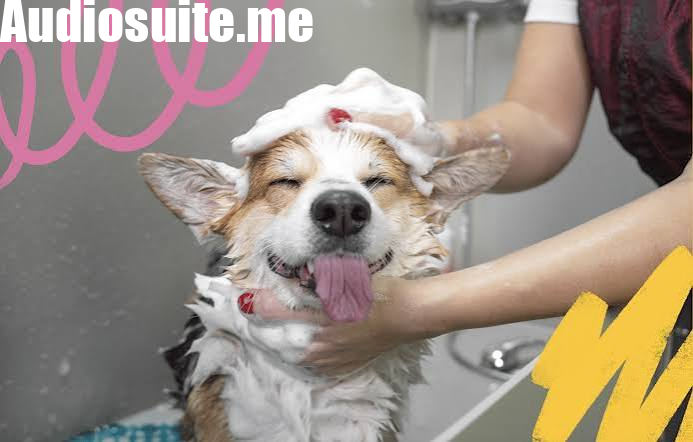
How to Make Grooming Less Stressful for Your Dog (Science-Backed Tips)
Grooming is one of the most physically intrusive experiences a dog encounters on a regular basis. Nails are trimmed, ears are touched, water is sprayed, and dryers roar — all while the dog is expected to hold still. For many dogs, this isn’t a routine chore. It’s a genuine source of fear. The good news, backed by decades of behavioral science, is that grooming stress isn’t fixed. With the right positive reinforcement approach, most dogs can learn to tolerate — and eventually enjoy — the process.
This guide breaks down why dogs find grooming stressful, what the research says about reducing that stress, and exactly how to apply positive reinforcement at home and with professional groomers.
Why Grooming Feels Threatening to Many Dogs
Before addressing solutions, it helps to understand why grooming triggers fear responses in the first place. Dogs don’t interpret grooming the way humans do — as routine hygiene. They experience it as unfamiliar physical restraint, often involving sounds, smells, and sensations they can’t predict or control.
The Biology of Fear During Handling
When a dog is restrain or touch somewhere sensitive — paws, ears, tail, muzzle — their nervous system can interpret it as a threat rather than a neutral event. This triggers the same fight-flight-freeze response used for genuine danger. When a dog becomes highly stressed during grooming, learning doesn’t stop—it shifts toward the immediate threat. Forcing a dog through a frightening experience can strengthen negative associations with grooming, making future sessions more difficult rather than building confidence and cooperation. This is why yelling, forcing, or “pushing through” a stressed dog during grooming almost always makes future sessions worse, not better.
Common Stress Signals Owners Miss
Fear during grooming rarely starts with growling or snapping. It starts subtly: lip licking, yawning when not tired, whale eye (showing the whites of the eyes), tucked tail, freezing in place, or trying to inch away. Recognizing these early signals is one of the most important skills an owner can build, because addressing stress at this stage prevents it from escalating into avoidance or aggression later. Reference guides on canine body language and handling, such as the ASPCA’s tips for handling shy or fearful dogs, are a useful starting point for learning to read these cues accurately.
The Science Behind Positive Reinforcement in Grooming
Positive reinforcement isn’t just a training buzzword — it’s a specific, well-documented mechanism for changing behavior and emotion simultaneously.
Classical Conditioning vs. Operant Conditioning
Two processes are usually at work during grooming desensitization:
- Classical conditioning (counterconditioning): pairing a previously scary stimulus, like clippers turning on, with something the dog loves (usually high-value food), so the dog’s emotional response shifts from fear to anticipation.
- Operant conditioning (positive reinforcement): rewarding calm, cooperative behaviors — like resting a paw in your hand — so the dog is more likely to offer that behavior again.
Used together, these two approaches change both how a dog feels about grooming and how a dog behaves during it, which is why professional behaviorists rarely recommend one without the other.
Why Punishment-Based Methods Backfire
Scruffing, physical restraint beyond what’s necessary, or scolding a dog for squirming might stop the behavior in the moment, but it does nothing to address the underlying fear — and often makes it worse. Suppressing a warning sign like growling without addressing the emotion behind it can result in a dog that skips the warning altogether next time. Veterinary and behavioral organizations have moved firmly away from forceful restraint for exactly this reason; the American Animal Hospital Association’s position on humane restraint of animals explicitly cautions against forceful handling methods, noting the added risk to both animals and handlers.
Building a Grooming-Positive Routine at Home
Most grooming stress can be meaningfully reduce through short, consistent practice sessions at home — well before a dog ever sees professional grooming equipment.
Start Before the Dog Needs It: Early Desensitization
The easiest time to build comfort with handling is during puppyhood, before a dog has any negative history with grooming tools. Gently touching paws, ears, and the muzzle during calm moments, and pairing each touch with a treat, builds a foundation that makes actual grooming sessions far less stressful later on. This kind of early handling work is typically folded into broader puppy socialization programs, since the same exposure principles that help puppies feel comfortable around new people and environments apply directly to tolerating handling and touch.
Short Sessions, High-Value Rewards
Sessions should be brief — often just a few minutes — and should end while the dog is still relaxed, not after they’ve become stressed. Using especially high-value treats (small pieces of chicken or cheese, for example) rather than everyday kibble helps speed up the emotional association between grooming tools and positive outcomes.
Reading Body Language in Real Time
Throughout every session, the dog’s body language should guide the pace. If a dog shows early stress signals, the answer isn’t to push forward — it’s to pause, back up a step, and rebuild confidence before continuing. This is the core principle behind desensitization and counterconditioning protocols used across the veterinary behavior field.
Step-by-Step: Introducing Tools and Touch:
Brushing and Touch Desensitization
Start with hands before tools. Once a dog is relaxed with hands-on touch across their whole body, introduce the brush without using it — let the dog sniff it and receive a treat. Only then begin very short, gentle brushing strokes, rewarding calm behavior throughout.
Nail Trims and Paw Handling
Paw handling tends to be one of the most sensitive areas for dogs. Begin by simply holding a paw for a second and rewarding, gradually working up to touching individual nails, then introducing the clipper or grinder sound separately from actual trimming before combining the two.
Bathing, Dryers, and Noise Sensitivity
Water and noise are frequently the biggest hurdles in a grooming routine. Running a dryer in another room first, then gradually decreasing distance while rewarding calm behavior, helps prevent a dog from associating the sound with sudden, close-range exposure. Low-stress handling resources aimed at reducing fear around grooming tables, tubs, and equipment — such as Purdue University’s Center for Animal Welfare Science guidance on low-stress handling — outline this kind of gradual exposure in more detail.
What to Look for in a Fear-Free or Force-Free Groomer
Not every grooming stress issue can — or should — be solved entirely at home. For dogs with significant fear, or owners without the time to run consistent desensitization sessions, a professional groomer trained in low-stress or fear-free handling techniques can make a substantial difference.
Certifications and Questions to Ask
When vetting a groomer, ask directly about their approach to a dog that becomes stressed mid-session. A groomer trained in force-free methods should describe pausing, offering breaks, and adjusting technique — not restraint or “getting it done quickly.” Certifications in low-stress handling or fear-free grooming are a reasonable proxy for this training, though direct conversation is still the best test.
Red Flags That Signal Outdated Methods
Be cautious of groomers who dismiss stress signals as “just being dramatic,” who won’t allow owners to ask about their handling methods, or who rely heavily on muzzles, tight restraint, or rushing through anxious dogs rather than adjusting pace.
Key Takeaways
- Grooming stress is a fear response, not defiance — and it responds well to positive reinforcement, not force.
- Positive reinforcement works by pairing grooming tools and touch with rewards, changing both emotion and behavior over time.
- Short, frequent, low-pressure sessions beat occasional long ones.
- Early handling exposure, ideally starting in puppyhood, prevents many grooming issues before they start.
- A groomer’s willingness to slow down for a stressed dog is one of the clearest signs of a genuinely force-free approach.
With patience and consistency, most dogs can go from dreading the grooming table to walking onto it calmly — and that shift starts with reinforcing the right things, at the right pace, every single time.
References
- ASPCA Pro — Simple Behavior and Handling Tips for Shy or Fearful Dogs
- American Animal Hospital Association (AAHA) — Humane Restraint of Animals (Position Statement)
- Purdue University Center for Animal Welfare Science — Low-Stress Handling Guidance