Synchronizing DMX Lighting with Live Audio: A Practical Guide
Lighting and sound are two of the most important parts of any live event. A great performance becomes even more memorable when the lights move with the music, highlight key moments, and create the right atmosphere. Whether you are organizing a concert, DJ show, theater production, church event, or community performance, synchronized lighting helps deliver a more engaging experience.
Creating professional lighting effects requires precise control and seamless coordination between multiple fixtures. A DMX light controller makes this possible by allowing lighting equipment to communicate through a single control system. It enables users to synchronize colors, movement, brightness, and special effects with live performances or pre-programmed scenes, helping even simple lighting setups deliver professional-looking results.
What Is DMX Lighting?
DMX stands for Digital Multiplex, which is the industry-standard communication protocol used to control stage lighting equipment.
Instead of operating each light separately, DMX allows multiple fixtures to work together through a single controller.
A typical DMX lighting system may include:
- Moving head lights
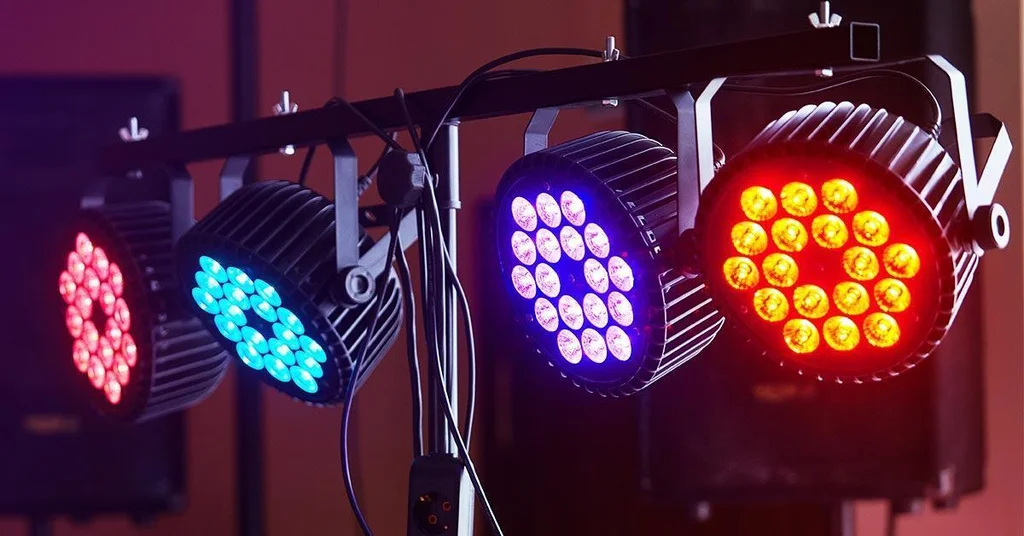
- LED PAR lights
- Beam lights
- Wash lights
- Effect lights
- Fog or haze machines
By connecting these fixtures through DMX, lighting operators can control an entire stage setup from one location.
Why Synchronize Lighting with Live Audio?
Lighting and music naturally work together. When they are synchronized, the audience experiences a show that feels more immersive and exciting.
Matching lighting to audio helps:
- Build excitement during musical highlights
- Create smooth transitions between songs
- Support emotional moments
- Draw attention to performers
- Keep audiences visually engaged
Rather than simply turning lights on and off, synchronized lighting becomes part of the performance itself.
How a DMX Controller Works
A DMX controller sends digital commands to connected lighting fixtures.
These commands tell each fixture how to operate, including:
- Color changes
- Brightness levels
- Pan and tilt movement
- Beam effects
- Strobe speed
- Gobo selection
Each fixture is assigned a DMX address, allowing the controller to communicate with individual lights or groups of fixtures independently.
This level of control gives lighting designers tremendous creative flexibility.
Ways to Synchronize Lighting with Audio
There are several methods for matching lighting with music.
Manual Operation
A lighting operator controls the fixtures live during the performance, adjusting scenes as the music changes.
This approach offers maximum creativity and flexibility.
Pre-Programmed Shows
Lighting scenes are created before the event and triggered at specific moments during the performance.
This is common for concerts, theater productions, and corporate presentations.
Sound-Activated Mode
Many modern lighting fixtures include built-in microphones that respond automatically to music.
This option works well for:
- Small events
- DJs
- Community gatherings
- Beginner users
Although it offers less precision than DMX programming, it provides an easy way to create dynamic lighting effects.
Tips for Better Lighting Synchronization
Creating professional-looking lighting shows requires more than simply connecting equipment.
Some helpful practices include:
Plan the Show
Listen to the music beforehand and identify important moments where lighting changes will have the greatest impact.
Use Different Lighting Layers
Combine beam lights, wash lights, and moving heads to create depth and variety throughout the performance.
Avoid Overusing Effects
Too many rapid color changes or strobe effects can become distracting.
Balanced lighting often creates a stronger visual experience.
Rehearse Before the Event
Testing lighting sequences before the audience arrives helps identify timing adjustments and technical issues.
Why Many Professionals Choose SHEHDS
SHEHDS offers DMX lighting controllers designed to work with a wide variety of professional stage lighting equipment. Its controller collection includes models that help users manage multiple lighting fixtures, program custom scenes, and create synchronized lighting effects for concerts, theaters, churches, clubs, weddings, and other live events.
Popular products in the collection support:
- Multiple DMX channels
- Scene programming
- Chase effects
- Manual control
- Professional lighting integration
With reliable control options, event organizers can build lighting systems that are both flexible and easy to operate.
Common Events That Benefit from DMX Control
DMX lighting is widely used because it adapts to many different event types.
Concerts
Moving lights follow the rhythm of the music while highlighting performers throughout the show.
DJ Performances
Dynamic lighting helps maintain energy on the dance floor and creates exciting visual effects.
Theater Productions
Lighting changes support storytelling by guiding the audience’s attention during different scenes.
Weddings
Elegant color transitions and carefully timed lighting effects enhance important moments such as entrances and first dances.
Corporate Events
Professional lighting creates polished presentations and strengthens the overall production quality.
Expanding Your Lighting System
One of the biggest advantages of DMX technology is scalability.
As event needs grow, you can easily add:
- Additional moving head lights
- More LED PAR fixtures
- Beam lights
- Wash lights
- Effect lighting
Because everything communicates through the same DMX system, expanding your setup is usually straightforward.
This flexibility makes DMX a smart long-term investment.
Final Thoughts
Lighting and music work best when they complement each other. A well-planned lighting design can turn an ordinary performance into an unforgettable visual experience.
Using a DMX light controller gives event organizers the control needed to synchronize lighting effects with live audio, creating smooth transitions, exciting visuals, and professional-quality productions.
With dependable control solutions from SHEHDS, users can build flexible lighting systems that are suitable for everything from small community events to large-scale concerts. When lighting moves perfectly with the music, every performance becomes more engaging, immersive, and memorable.
