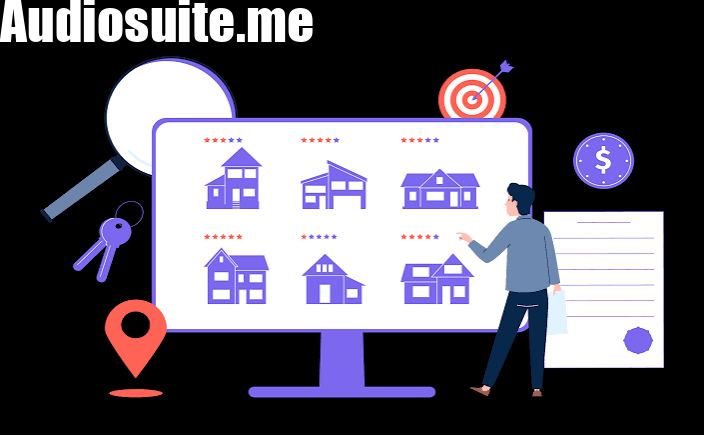
How Real Estate Companies Can Win More Customers Through Digital Marketing
The property market has become increasingly competitive, and buyers now have more information available than ever before. A potential customer can compare projects, explore locations, check amenities, read reviews, and watch property videos without leaving home. This has changed the way real estate companies need to approach marketing.
Traditional advertising still has value, but digital channels offer an opportunity to reach potential buyers with greater precision. When businesses combine useful content, search visibility, targeted advertising, and effective follow-up, they can create a stronger path from online discovery to property enquiry.
Start by Understanding Buyer Intent
Every property buyer has different needs. A young professional may be searching for a compact apartment close to work, while a family may prioritize schools, transportation, safety, and community amenities. Investors may focus more on rental potential and future development.
Understanding these differences helps marketers create more relevant campaigns. Instead of using a single message for every audience, businesses can develop content and advertisements around specific needs, locations, budgets, and property categories.
This approach can improve engagement because potential buyers receive information that is closer to their actual interests.
Make the Website a Sales Asset
A real estate website should function as more than an online brochure. It should guide visitors through the information they need before making an enquiry.
Project pages can showcase photographs, floor plans, amenities, specifications, location benefits, nearby facilities, and frequently asked questions. Strong calls to action can encourage visitors to request a brochure, schedule a site visit, or contact the sales team.
The website should also provide a smooth mobile experience. Since many property searches begin on smartphones, complicated navigation or slow-loading pages can result in lost opportunities.
Use SEO to Capture Active Searches
Search engine optimization can help property companies connect with users who are already looking for relevant information. Buyers may search for residential projects in a particular location, apartments within a certain budget, or investment opportunities in developing areas.
Creating helpful location pages, project content, guides, and FAQs can increase opportunities to appear for these searches. A technically sound website can further support search performance and provide visitors with a better experience.
SEO also offers a long-term advantage because useful pages can continue attracting relevant visitors after the initial publishing process.
Strengthen Campaigns With Paid Advertising
Paid advertising can help promote new launches, specific projects, open-house events, and limited-period offers. Search campaigns can target users with strong purchase intent, while social advertising can help introduce properties to carefully selected audiences.
However, advertising performance depends on more than the advertisement itself. The landing page, message, enquiry form, and follow-up process all influence the final outcome.
Testing different audiences and creative approaches can help businesses understand which combinations produce better results.
Focus on Lead Quality
A high number of enquiries does not necessarily mean a successful campaign. Some enquiries may come from people who are outside the project’s target location or budget.
Effective Real Estate Lead Generation therefore requires attention to lead quality as well as volume. Businesses can use forms, qualification questions, CRM systems, and analytics to understand where prospects are coming from and how they progress through the sales funnel.
This information can help marketing and sales teams work together more effectively.
Choose the Right Digital Marketing Partner
Working with a real estate digital marketing agency can provide access to specialists who understand SEO, paid media, content marketing, social media, analytics, and conversion optimization. Instead of managing each channel separately, businesses can build an integrated strategy around common sales objectives.
A capable marketing partner can also monitor campaign performance and identify opportunities for improvement. As buyer behaviour changes, campaigns can be adjusted according to actual data.
Turning Digital Reach Into Business Growth
Real estate marketing is ultimately about connecting the right property with the right buyer. Digital platforms make this process more measurable and targeted, but success still depends on providing useful information and creating a trustworthy customer experience.
Businesses that combine strong websites, search visibility, engaging content, targeted advertising, and responsive follow-up can build a more consistent flow of potential customers. With continuous optimization and a clear understanding of buyer behaviour, digital marketing can become an important driver of sustainable growth in the real estate sector.