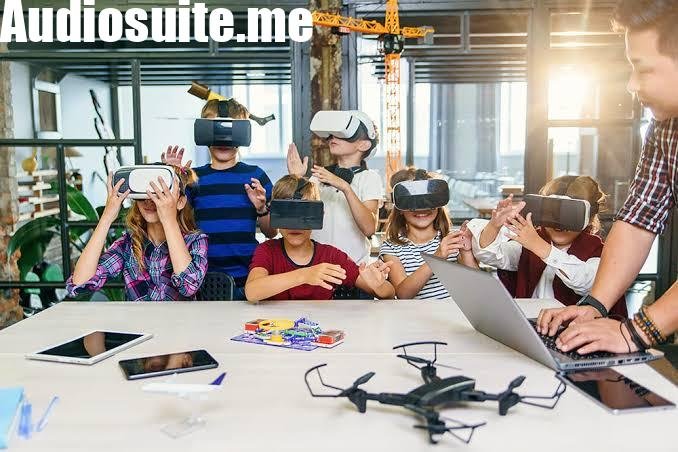
Future of Immersive Entertainment
The entertainment industry has evolved dramatically over the past few decades. From traditional television and movie theaters to streaming platforms and interactive gaming, audiences have continuously embraced new ways to experience content. Today, another revolutionary shift is taking place through immersive entertainment. Powered by virtual reality (VR), augmented reality (AR), mixed reality (MR), artificial intelligence, and advanced digital technologies, immersive entertainment is redefining how people connect with digital experiences.
Instead of simply watching a story unfold, users can become active participants inside virtual worlds. Whether exploring breathtaking landscapes, attending live virtual concerts, enjoying educational simulations, or interacting with immersive videos, the future of entertainment is becoming increasingly interactive and personalized.
In this article, we’ll explore what immersive entertainment is, the technologies driving it forward, emerging trends, benefits, challenges, and what the future may hold.
What Is Immersive Entertainment?
Immersive entertainment refers to digital experiences that place users at the center of the action rather than making them passive viewers. Using technologies like VR, AR, and MR, people can explore realistic environments, interact with virtual objects, and engage with stories in ways that traditional media cannot offer.
Unlike conventional entertainment formats, immersive experiences stimulate multiple senses, creating a stronger feeling of presence. This makes users feel as though they are physically inside a digital environment instead of merely observing it on a screen.
Examples include:
Virtual reality gaming
Interactive storytelling
Virtual tourism
Live VR concerts
Educational simulations
Sports viewing in VR
360-degree videos
Immersive fitness experiences
As technology becomes more accessible, immersive entertainment is expected to become a mainstream part of everyday digital life.
Technologies Driving the Future
Several innovations are shaping the next generation of immersive entertainment.
Virtual Reality (VR)
Virtual reality remains the foundation of immersive experiences. Modern VR headsets provide high-resolution displays, improved motion tracking, realistic audio, and intuitive hand controls.
These advancements allow users to explore digital environments with unprecedented realism.
Augmented Reality (AR)
AR overlays digital elements onto the real world using smartphones, tablets, or smart glasses. Instead of replacing reality, it enhances everyday environments with interactive content.
AR is becoming increasingly popular for gaming, education, shopping, sports broadcasting, and live events.
Mixed Reality (MR)
Mixed reality combines physical and digital environments, allowing virtual objects to interact naturally with real-world surroundings. MR is expected to play a significant role in entertainment, collaboration, and professional training.
Artificial Intelligence
Artificial intelligence is making immersive entertainment more personalized than ever before.
AI can
Recommend content based on user preferences
Generate realistic virtual characters
Improve voice interactions
Create adaptive storylines
Enhance visual realism
As AI continues evolving, immersive experiences will become increasingly dynamic and responsive.
The Rise of Interactive Storytelling
Traditional storytelling typically follows a fixed narrative. Immersive entertainment changes this by allowing users to influence events, explore environments freely, and make meaningful decisions.
Future storytelling experiences may include:
Multiple story endings
Personalized character interactions
AI-generated narratives
Interactive mysteries
Virtual adventures
This shift transforms audiences into participants rather than spectators.
Social Experiences in Virtual Worlds
Entertainment has always been social, and immersive technology is expanding that social connection.
Virtual spaces now allow people to:
Attend concerts together
Watch movies with friends
Explore museums
Join multiplayer adventures
Participate in virtual festivals
Meet creators and communities
These shared experiences create stronger engagement than traditional online interactions.
Immersive Video Streaming
Video streaming is evolving beyond flat screens.
Modern immersive video platforms provide:
360-degree viewing
Interactive environments
Spatial audio
User-controlled camera angles
Realistic virtual settings
People interested in exploring immersive video libraries can discover various VR experiences through VRpy, which offers a collection of VR videos across multiple entertainment categories: As VR content continues to grow, platforms like VRpy demonstrate how immersive video experiences are becoming more accessible for users seeking high-quality virtual entertainment.
Virtual Reality Beyond Gaming
Gaming often receives the most attention in discussions about VR, but immersive entertainment extends far beyond games.
Growing applications include:
Virtual Travel
People can visit famous landmarks, museums, beaches, and historical sites without leaving home.
Live Events
Concerts, sporting events, comedy shows, and theatrical performances can now be experienced from virtual front-row seats.
Education
Students can learn history, science, medicine, and engineering through interactive simulations that improve engagement and retention.
Fitness
Immersive workouts transform exercise into enjoyable adventures, increasing motivation and consistency.
Creative Arts
Artists, musicians, filmmakers, and designers are using immersive technology to build entirely new forms of digital expression.
Personalized Entertainment
The future of entertainment will become increasingly tailored to each individual.
Advanced systems will learn:
Viewing habits
Favorite genres
Interaction styles
Preferred environments
Accessibility needs
Instead of recommending generic content, platforms will generate personalized experiences unique to each user.
The Role of Haptic Technology
Future immersive entertainment won’t rely solely on visual realism.
Haptic technology enables users to feel virtual environments through:
Gloves
Wearable suits
Controllers
Motion devices
These technologies simulate touch, pressure, vibration, and movement, creating even more convincing digital experiences.
As hardware improves, physical interaction will become a major component of immersive media.
Cloud Streaming and Accessibility
Powerful computers were once required for advanced VR experiences.
Cloud computing is changing this.
Cloud-based streaming allows users to access high-quality immersive content without owning expensive hardware.
Benefits include:
Lower equipment costs
Instant content access
Reduced downloads
Cross-device compatibility
Better global accessibility
This shift will make immersive entertainment available to a much wider audience.
Challenges Facing Immersive Entertainment
Although the future looks promising, several challenges remain.
Hardware Costs
Premium VR equipment can still be expensive for many consumers.
Fortunately, prices continue to decrease while hardware quality improves.
Content Creation
Producing immersive experiences requires specialized skills, software, and creative expertise.
As development tools become easier to use, more creators will enter the industry.
Motion Sickness
Some users experience discomfort during VR sessions.
Higher frame rates, improved tracking, and better display technology are helping reduce these issues.
Privacy and Data Security
Immersive platforms collect more behavioral information than traditional entertainment platforms.
Protecting user privacy and ensuring transparent data practices will remain essential as the industry grows.
Emerging Trends
Several exciting trends are expected to shape immersive entertainment over the next decade.
AI-Generated Virtual Worlds
Artificial intelligence will create dynamic environments that adapt in real time based on user actions.
Hyper-Realistic Avatars
Future avatars will closely resemble real people using facial tracking and advanced animation.
Digital Ownership
Virtual goods, collectibles, and personalized digital spaces may become increasingly valuable within immersive ecosystems.
Mixed Reality Glasses
Lightweight smart glasses could eventually replace bulky VR headsets, making immersive entertainment easier to enjoy throughout the day.
Real-Time Global Collaboration
Friends, families, creators, and professionals will interact naturally inside persistent virtual environments regardless of physical location.
Industries Benefiting from Immersive Entertainment
The impact of immersive entertainment extends beyond consumer media.
Many industries are already adopting these technologies.
Healthcare
Medical professionals use immersive simulations for education and surgical training.
Real Estate
Virtual property tours save time while improving buying experiences.
Retail
Customers can visualize products before making purchases.
Tourism
Destinations offer virtual previews that inspire future travel.
Education
Interactive lessons improve engagement and knowledge retention.
Corporate Training
Organizations use immersive simulations to train employees more efficiently and safely.
Why Immersive Entertainment Matters
Immersive entertainment represents more than technological advancement—it fundamentally changes how people experience digital content.
Benefits include:
Greater engagement
Enhanced emotional connection
Personalized experiences
Interactive learning
Improved accessibility
Stronger social interaction
New creative opportunities
Expanded entertainment choices
As hardware becomes lighter, software becomes smarter, and internet speeds continue improving, immersive experiences will become increasingly integrated into everyday life.
Looking Ahead
The future of immersive entertainment is incredibly promising. Innovations in virtual reality, augmented reality, artificial intelligence, cloud computing, and spatial computing are transforming entertainment into something far more interactive than ever before.
Consumers are no longer satisfied with simply watching content—they increasingly want to participate, explore, and influence the experiences they enjoy. This shift is encouraging creators, developers, and technology companies to build richer digital worlds that feel more natural, social, and engaging.
As immersive technology continues to mature, we’ll likely see virtual experiences become as common as streaming movies or browsing social media today. Whether through interactive storytelling, live virtual events, educational simulations, immersive travel, or next-generation video platforms, the possibilities are expanding rapidly.
For users curious about exploring the growing world of immersive VR videos and digital experiences, platforms like VRpy continue to showcase how virtual entertainment is evolving alongside advances in VR technology. The coming years promise a future where entertainment is no longer limited to a screen but becomes a fully interactive experience that places users at the center of every story.