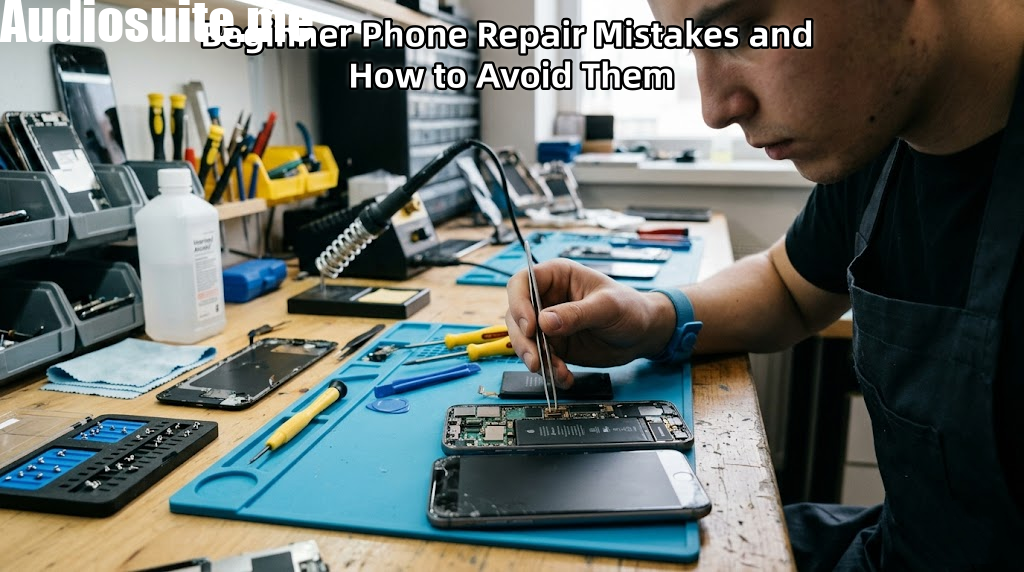
Beginner Phone Repair Mistakes and How to Avoid Them
Starting a career in phone repair can be exciting, but it also comes with challenges. Many beginners jump into repairs without fully understanding the risks involved, which often leads to costly mistakes. Learning about common beginner phone repair mistakes is essential for building skills, improving success rates, and avoiding unnecessary damage to devices.
Skipping Proper Diagnosis
One of the most common mistakes beginners make is starting a repair without proper diagnosis. Instead of identifying the exact issue, they assume the problem and begin replacing parts. This approach can waste time and money while failing to fix the device. Proper testing using basic diagnostic tools helps ensure that the real issue is identified before any repair network begins.
Using the Wrong Tools
Another major mistake is using incorrect or low-quality tools. Smartphones are delicate devices that require precision equipment. Using improper screwdrivers or sharp tools can damage screws, scratch components, or even break internal parts. Investing in the Right Mobile Repair Tools from the beginning makes repairs safer and more efficient.
Applying Excessive Force
Beginners often use too much force when opening a phone or removing components. Modern smartphones are designed with clips, adhesives, and fragile connectors. Forcing parts open can crack the screen, damage cables, or break the frame. Patience and the use of proper opening tools are key to avoiding this mistake.
Ignoring Static Electricity
Static electricity can silently damage sensitive electronic components. Many beginners overlook this risk and work without proper grounding. Even a small static discharge can harm the motherboard or other internal parts. Using anti-static tools or working on a grounded surface can help prevent such issues.
Poor Heat Management
Heat is a critical factor in phone repair, especially during soldering or component removal. Beginners often apply too much heat or use it for too long, which can damage the motherboard or nearby components. Learning proper temperature control and using reliable equipment is essential for safe repairs.
Losing Screws and Components
Smartphones contain multiple tiny screws and small parts that can easily get lost. Beginners often fail to organize these components during disassembly. Losing even a single screw can affect the device’s stability and reassembly process. Using a Magnetic Storage Tray Mat or labeled containers can help keep everything organized.
Improper Handling of Connectors
Internal connectors in smartphones are fragile and require careful handling. Beginners sometimes pull cables instead of gently disconnecting them from their sockets. This can tear the connector or damage the port, potentially affecting the device’s network connectivity and leading to additional repair issues. Always handle connectors with precision and care.
Skipping Cleaning After Repair
After completing a repair, many beginners ignore the cleaning process. Residue from adhesives, dust, or soldering flux can affect the device’s performance over time. Cleaning the internal components ensures better functionality and gives the repair a professional finish.
Not Testing Before Reassembly
Another common mistake is fully reassembling the phone without testing it first. If the issue is not resolved or a new problem appears, the device has to be opened again. Using basic diagnostic automation where appropriate can help technicians check device functions more efficiently before final assembly. Testing the phone before reassembly saves time and ensures that the repair has been successful.
Conclusion
The mistakes that novices in mobile phone repair frequently make throughout the learning process can be completely prevented by using the right techniques. Novices can consistently improve their repair abilities and confidence by focusing on accurate diagnosis, using professional tools, handling components carefully, and keeping their workplace tidy and orderly. In addition to protecting the devices being fixed, avoiding these errors creates a strong basis for a future in mobile phone repair.