The Role of Professional Audio Setup in Successful Corporate Events
In the world of corporate events, first impressions are shaped not only by visuals and branding but also by sound. From keynote speeches and panel discussions to product launches and award ceremonies, audio plays a critical role in how messages are delivered and received. A well-executed professional audio setup can elevate an event’s impact, while poor sound quality can quickly undermine even the most well-planned experience.
As corporate audiences become more discerning and events increasingly incorporate hybrid and digital elements, the importance of high-quality audio has never been greater. This article explores why professional audio setup is essential for successful corporate events and how it contributes to clarity, engagement, and brand perception.
Audio as the Backbone of Communication
At its core, a corporate event is about communication. Whether it’s a CEO addressing stakeholders, a panel of experts sharing insights, or a brand unveiling a new product, the success of these moments depends on how clearly the message is heard.
Professional audio systems ensure:
- Consistent sound levels across the venue
- Clear speech intelligibility
- Minimal distortion or feedback
Without these fundamentals or the help of a professional AV company, even the most compelling content can be lost on the audience.
Enhancing Audience Engagement
Audience engagement is closely tied to audio quality. When attendees struggle to hear speakers or experience uneven sound, their attention quickly fades. On the other hand, crisp and balanced audio helps maintain focus and encourages active participation.
Professional setups account for:
- Venue size and acoustics
- Audience layout and seating arrangements
- Ambient noise control
By tailoring the sound design to the specific environment, audio professionals create an immersive experience that keeps audiences connected throughout the event.
Supporting Different Event Formats
Corporate events rarely follow a single format. They often include a mix of speeches, presentations, videos, live performances, and Q&A sessions. Each of these elements has unique audio requirements.
A professional audio setup seamlessly supports:
- Wireless microphones for speakers and moderators
- Panel discussions with multiple mic inputs
- Background music and sound effects
- Video playback with synchronized sound
This flexibility ensures smooth transitions and prevents technical disruptions that can break the flow of the event.
The Role of Acoustics and Venue Assessment
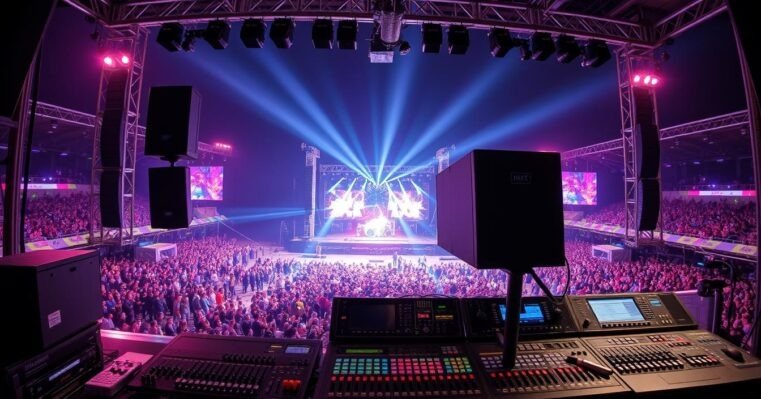
No two venues sound the same. Large halls, conference rooms, outdoor spaces, and exhibition centers all present different acoustic challenges. Echo, reverberation, and sound bleed can significantly affect audio quality if not properly managed.
Professional audio teams conduct site assessments to:
- Analyze acoustic characteristics
- Determine optimal speaker placement
- Select appropriate microphones and mixers
This level of planning allows sound to travel evenly, ensuring every attendee receives the same listening experience regardless of where they are seated.
Elevating Brand Perception
Audio quality directly influences how a brand is perceived. Clear, polished sound reflects professionalism, attention to detail, and respect for the audience. Conversely, poor audio can make an organization appear unprepared or careless.
For businesses, corporate events are often extensions of their brand identity. Investing in professional audio signals that the company values quality and is committed to delivering a premium experience. This is especially important when events are attended by clients, partners, investors, or media representatives.
Audio in Hybrid and Virtual Corporate Events
The rise of hybrid and virtual events has added new layers of complexity to audio management. In these formats, sound must be optimized not only for in-person attendees but also for online participants.
Professional audio setups help ensure:
- Clear audio feeds for live streaming platforms
- Balanced sound levels for virtual speakers
- Minimal latency and interference
When audio is handled correctly, remote attendees feel just as engaged as those physically present, creating a cohesive event experience across all channels.
Reducing Risk Through Technical Expertise
Live events leave little room for error. Technical issues such as microphone failure, feedback, or sudden volume drops can disrupt the program and distract both speakers and audiences.
Professional audio teams bring:
- Redundant equipment as backups
- Real-time monitoring during sessions
- On-site troubleshooting expertise
This proactive approach minimizes risks and ensures that any issues are resolved quickly, often without the audience even noticing.
Collaboration Between Audio Teams and Event Management
Successful corporate events rely on collaboration between multiple professionals, including production crews, speakers, venue staff, and the Event Planner. Audio specialists work closely with these stakeholders to align technical execution with the event’s agenda and objectives.
This coordination ensures that:
- Sound cues align with program timings
- Speakers are briefed on microphone usage
- Technical rehearsals are conducted before the event
Such collaboration transforms audio from a background element into a strategic asset.
Long-Term Impact and Content Repurposing
Many corporate events are recorded for future use, such as internal training, marketing content, or social media highlights. High-quality audio is essential for making these recordings usable and professional.
Clean audio:
- Enhances video content value
- Improves audience retention in replays
- Reflects positively on the brand long after the event ends
In this way, professional audio setup continues to deliver value even beyond the live event.
Conclusion
Professional audio setup is not a luxury—it is a necessity for successful corporate events. From clear communication and audience engagement to brand perception and risk management, sound plays a central role in shaping the overall experience.
As corporate events continue to evolve in scale and complexity, prioritizing audio quality ensures that messages are delivered effectively and experiences are remembered for the right reasons. When audio is planned and executed professionally, it becomes an invisible force that supports every moment of the event, allowing businesses to communicate with confidence and impact.