Dentiloquent: Unique Art of Speech Through Teeth and Sounds
Dentiloquent language highlights one of the most fascinating yet often overlooked aspects of human communication—the physical mechanics of speech. Language is one of the most sophisticated tools humans possess, and every word we speak is shaped by an intricate coordination of breath, muscle movement, and the precise positioning of the tongue, lips, and teeth. While most people focus on vocabulary, meaning, and grammar, far fewer consider how sounds are physically formed inside the mouth. The term dentiloquent draws attention to this physical dimension by emphasizing the role of the teeth in articulation, offering a deeper understanding of how subtle movements shape the clarity and character of spoken language.
Though not widely used in everyday conversation, it serves as a valuable descriptor within linguistic and phonetic discussions. It refers to a style or characteristic of speech in which the teeth play a noticeable role in articulation. Understanding its speech deepens our appreciation of pronunciation, speech diversity, and the subtle variations that make human communication rich and complex.
What Is Dentiloquent?
It is a descriptive term used to identify a style of articulation in which the teeth are actively involved in producing speech sounds. The word derives from Latin roots:
- Denti- meaning “teeth.”
- -loquent meaning “speaking.”
Together, these elements literally translate to “speaking with the teeth.”
Importantly, dentiloquent speech is not a disorder or defect. It is simply a phonetic descriptor that identifies how certain sounds are formed. Many individuals exhibit it tendencies naturally due to anatomy, learned pronunciation patterns, or regional speech habits.
The Anatomical Foundations of Dentiloquent Speech
To understand articulation, we must first examine how speech is physically produced.
The Speech Mechanism
Human speech depends on coordinated activity among several anatomical structures:
- Lungs (air supply)
- Vocal cords (sound vibration)
- Tongue (sound shaping)
- Lips (sound modification)
- Teeth (contact surface for articulation)
- Alveolar ridge (the area behind the upper teeth)
- Soft palate (controls airflow)
When air moves from the lungs through the vocal cords and out of the mouth, these structures shape it into recognizable sounds.
The Role of the Teeth in the Articulation of Dentiloquent
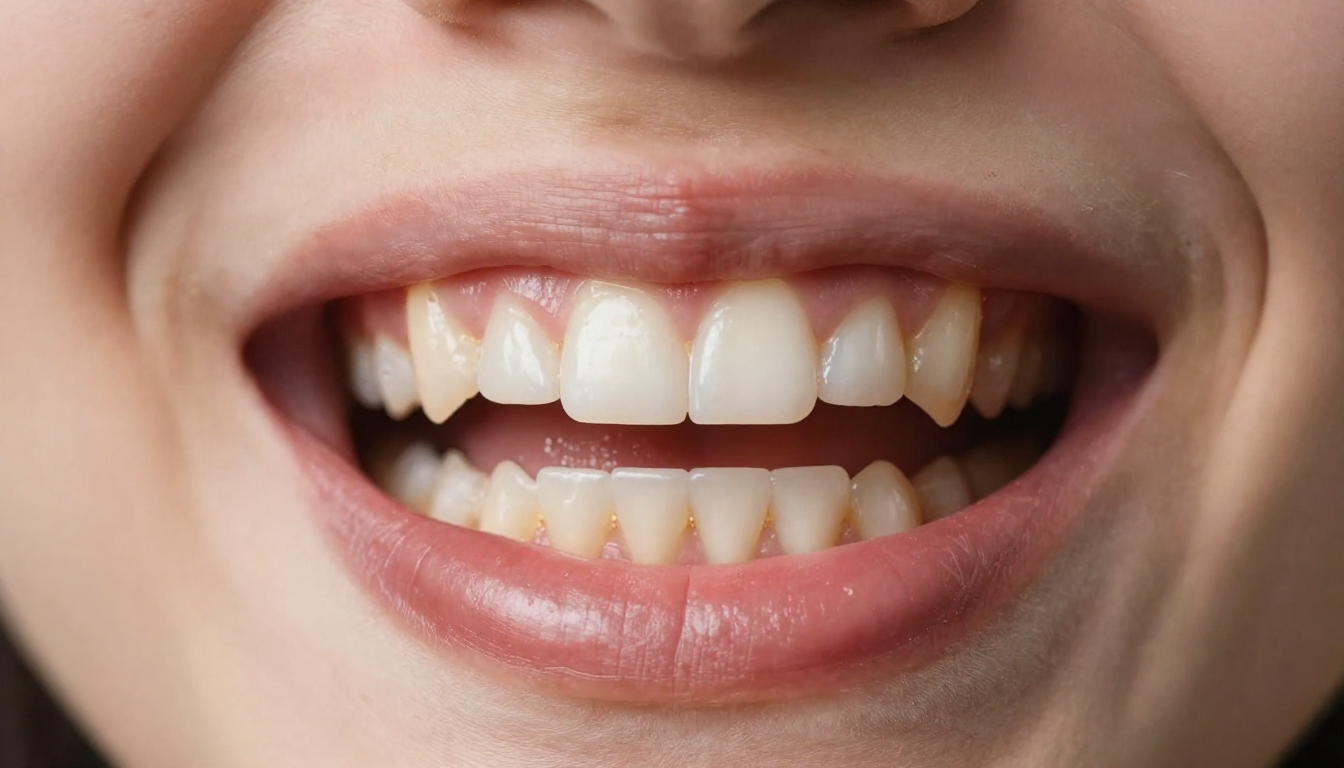
Teeth play a particularly important role in forming dental consonants. These are sounds produced when the tongue contacts or comes close to the upper front teeth. Common examples include:
- The “th” sound (as in think or this)
- Certain variations of “t” and “d” in specific accents
In speech, the involvement of the teeth is slightly more pronounced or noticeable. This may subtly influence the resonance, crispness, or tonal quality of the sound.
Dentiloquent Within Phonetics and Linguistics
Articulation Classification Systems
Linguists categorize speech sounds based on their place and manner of articulation. Categories include:
- Labial (lips)
- Dental (teeth)
- Alveolar (ridge behind teeth)
- Velar (soft palate)
Dentiloquent relates directly to dental articulation. Scholars use such terminology to analyze pronunciation patterns across languages and dialects.
Why Such Terms Matter
Precise terminology allows linguists to:
- Document endangered languages accurately
- Compare pronunciation patterns across cultures
- Support second-language learners
- Develop phonetic transcription systems
Without descriptive terms like it, subtle differences in speech would be difficult to record and study systematically.
Historical Context of Dentiloquent
While itself is not a commonly used everyday term, its roots lie in classical phonetic analysis. Early linguists sought to classify speech sounds based on how they were physically formed. Over centuries, this classification system evolved into modern phonetics.
During the 19th and early 20th centuries, speech science expanded significantly. Researchers began studying articulation using scientific tools and acoustic measurements. Terms describing specific articulation characteristics—like dentiloquent—became part of the academic vocabulary used to analyze sound production.
Today, although the word remains rare outside specialized contexts, the concept remains central to phonetic research.
Key Characteristics of Dentiloquent Speech
Noticeable Dental Engagement
Dentiloquent speech involves clear interaction between the tongue and the upper front teeth during consonant production. The tongue may touch or come very close to the teeth more prominently than in typical articulation. This is especially noticeable in sounds like “th.” The teeth actively shape airflow, making dental contact more visible or distinct, though it remains a natural variation of speech.
Slight Acoustic Variation
Because the teeth influence airflow, speech can produce a slightly sharper or crisper sound. Consonants may seem more defined or precise due to subtle friction created near the teeth. These differences are usually minor and do not affect clarity, but may be noticeable in careful listening or phonetic analysis.
Natural Anatomical Influence by Dentiloquent
Individual differences in teeth alignment, jaw position, and tongue posture can affect how strongly dentiloquent features appear. People with forward-positioned teeth or certain bite patterns may naturally produce more dental contact during speech. These variations are normal and reflect unique anatomical traits rather than speech problems.
Dialectal Variation
Some accents and languages naturally emphasize dental sounds more than others. In certain regions, strong tongue-to-teeth articulation is standard pronunciation. What might be considered it in one area could be completely normal in another, highlighting the diversity of global speech patterns.
Dentiloquent and Natural Speech Diversity
One of the most important points to emphasize is that dentiloquent speech represents natural variation.
Human communication is shaped by:
- Cultural background
- Native language
- Regional dialect
- Anatomical differences
- Learned habits
No two individuals speak identically. Its articulation is simply one variation within this vast spectrum.
Modern linguistics increasingly values speech diversity rather than attempting to enforce uniform pronunciation standards.
Applications of Dentiloquent Awareness
Speech Therapy
Speech-language pathologists analyze articulation patterns to determine whether clarity is affected. Dentiloquent articulation may be addressed if it interferes with intelligibility, but in most cases, it requires no correction.
Therapists may work with clients on:
- Tongue placement exercises
- Breath control
- Controlled consonant production
The goal is clarity—not conformity.
Language Learning of Dentiloquent
Second-language learners often struggle with dental consonants. For example:
- English learners may find “th” sounds challenging.
- Speakers of languages without dental consonants may substitute similar sounds.
Understanding dentiloquent articulation helps learners consciously position the tongue against the teeth, improving accuracy.
Public Speaking and Broadcasting
Clear articulation is critical in professional communication. It awareness helps speakers:
- Improve consonant precision
- Avoid slurred pronunciation
- Enhance microphone clarity
Broadcasters and public speakers frequently train to refine articulation, ensuring every word is intelligible.
Acting and Voice Training
Actors use articulation techniques to create distinct vocal identities. A character’s personality may be conveyed through:
- Sharp dental articulation
- Relaxed pronunciation
- Clipped consonants
Voice coaches train performers to adjust dental engagement intentionally, adding realism and variety to performance.
Psychological and Social Perception of Dentiloquent
Listener Perception
Subtle articulation differences influence how listeners perceive a speaker. Clear dental articulation may be associated with:
- Precision
- Authority
- Professionalism
However, strong or exaggerated dental emphasis might be interpreted as stylistic or accent-related.
Confidence and Speech Awareness
Understanding how one articulates sounds can boost confidence. When speakers gain control over pronunciation, they often feel more secure in formal settings.
Speech awareness contributes to:
- Improved self-expression
- Reduced communication anxiety
- Enhanced interpersonal connection
Dentiloquent in Modern Technology
Speech Recognition Systems
Voice recognition technology depends on accurate modeling of pronunciation patterns. Articulation variations—including dentiloquent tendencies—can affect system accuracy.
If systems fail to account for dental articulation differences, recognition errors may occur.
Inclusive Voice Technology
As AI-driven communication tools expand globally, developers must consider articulation diversity. Improved phonetic modeling enhances accessibility and ensures that speech recognition systems serve a wider population effectively.
Benefits of Understanding Dentiloquent
Understanding articulation offers several benefits:
| Benefit | Description |
|---|---|
| Greater awareness of speech mechanics | Understanding how sounds are produced helps improve overall communication skills. |
| Improved clarity and pronunciation control | Awareness of articulation allows for more precise and understandable speech. |
| Enhanced support for language learners | Learners can better master difficult sounds by recognizing how they are formed. |
| Broader appreciation for linguistic diversity | Recognizing different speech patterns highlights the variety in human language. |
| Better adaptation of voice technologies | Knowledge of articulation helps improve accuracy in speech recognition systems. |
Small physical adjustments in articulation can produce meaningful improvements in communication effectiveness.
Common Misconceptions About Dentiloquent
It is important to correct several misunderstandings:
- Dentiloquent speech is not a speech disorder.
- It does not automatically indicate incorrect pronunciation.
- It does not require correction unless intelligibility is compromised.
- It is not synonymous with mumbling or whispering.
It is simply a descriptive term identifying how sounds are shaped using the teeth.
Challenges Associated with Dentiloquent
While generally harmless, its articulation can pose minor challenges if:
- Combined with very rapid speech
- Accompanied by unclear tongue placement
- Exaggerated unintentionally
In such cases, slowing speech and refining articulation typically resolves clarity issues.
The focus should always remain on communication effectiveness rather than eliminating natural variation.
The Future of Language Awareness
Modern linguistics increasingly values inclusive documentation of speech patterns. It articulation represents one aspect of this diversity.
Educational Implications of Dentiloquent
Language education may continue incorporating more detailed phonetic instruction, helping learners understand articulation mechanics rather than memorizing pronunciation mechanically.
Technological Integration
As artificial intelligence and speech synthesis evolve, incorporating nuanced articulation patterns will enhance realism and inclusivity in digital communication systems.
Dentiloquent awareness may contribute to more adaptive voice interfaces in the future.
Conclusion
It is a rare yet meaningful term that sheds light on the physical mechanics of speech. By focusing on the role of teeth in articulation, it highlights the intricate coordination underlying everyday communication.
Far from being an obscure curiosity, dentiloquent represents the complexity and diversity of human language. Whether examined in linguistic research, applied in speech therapy, explored in voice training, or considered in modern technology, its relevance extends beyond technical description.
Understanding it deepens our awareness of how speech is shaped—literally—between our teeth. In doing so, it reminds us that communication is not only about what we say, but about how we physically craft each sound.
Language lives not just in vocabulary, but in movement, structure, and subtle articulation. It is one small yet fascinating window into that remarkable system.