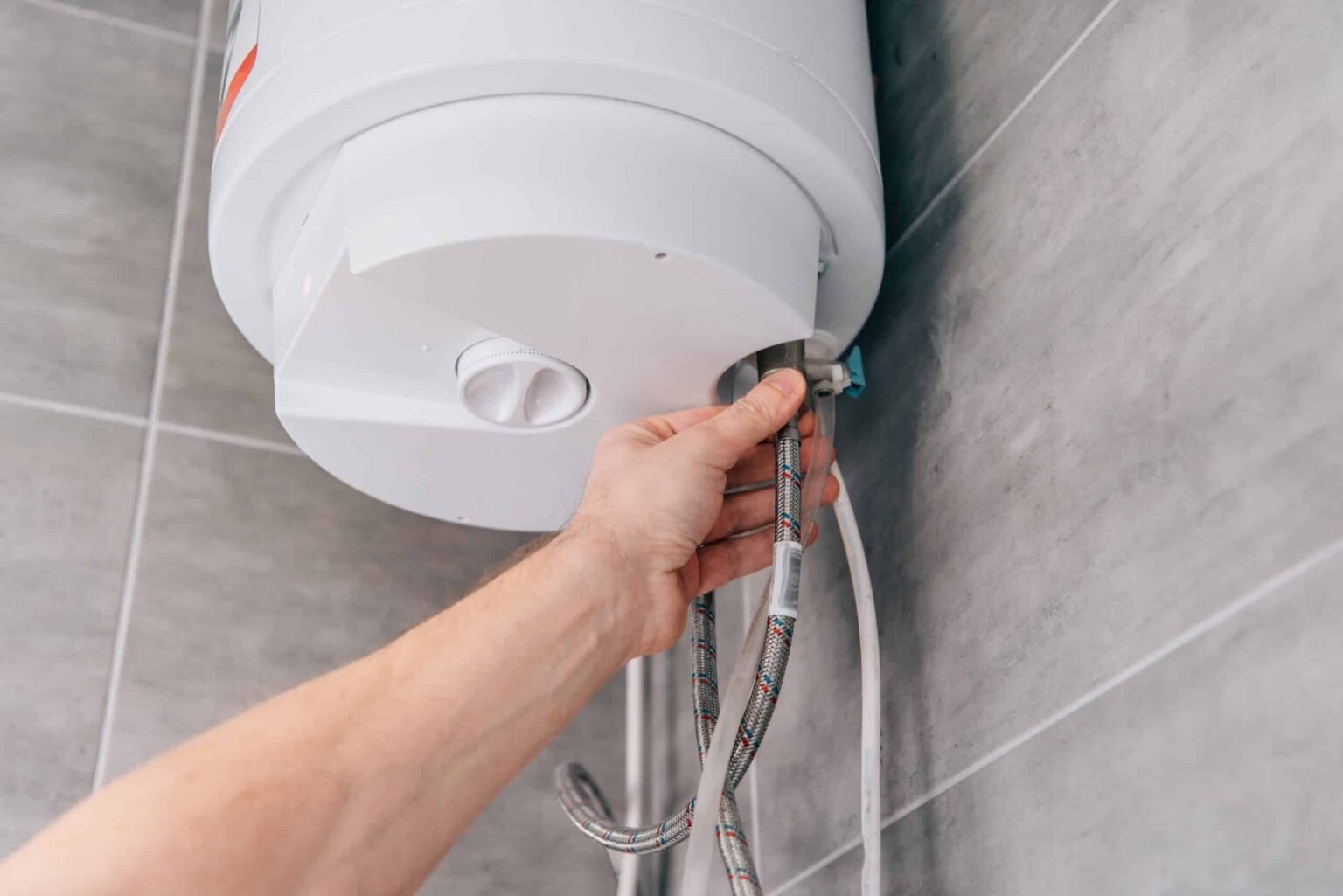
Choosing the Right Electric Hot Water System in Melbourne
Choosing the right hot water system is an important decision for any Melbourne household. With changing weather conditions, rising energy costs, and different household water usage patterns, selecting a reliable option can make a real difference to comfort and long-term expenses. An electric hot water system melbourne homeowners choose should balance efficiency, capacity, and durability to meet everyday needs without unnecessary costs.
Understanding Electric Hot Water Systems
Electric hot water systems use electrical heating elements to warm and store water for daily use. They are popular across Melbourne due to their affordability, ease of installation, and consistent performance. Unlike gas systems, electric units do not rely on gas connections, making them suitable for homes where gas is unavailable or impractical. They also operate quietly and require fewer safety checks.
Why Electric Systems Suit Melbourne Homes
Melbourne’s climate, with its cooler winters and variable temperatures, means hot water is essential year-round. Electric systems perform reliably regardless of weather conditions, unlike some solar-dependent solutions. They are also widely supported by local plumbers, ensuring easy servicing and faster repairs when required. For apartments, townhouses, and smaller homes, electric systems often provide the most practical solution.
Choosing the Right Size for Your Household
One of the most important factors is selecting the correct tank size. A system that is too small may run out of hot water quickly, while an oversized unit can increase electricity costs unnecessarily.
- 1–2 people: 80–125 litres
- 3–4 people: 160–250 litres
- 5+ people: 250 litres or more
Consider your daily habits, such as shower frequency, laundry use, and dishwasher needs, before deciding on capacity.
Storage vs Instant Electric Systems
Electric hot water systems generally fall into two categories: storage and instant (continuous flow).
Storage systems heat water and store it in a tank, making hot water available immediately. These systems are cost-effective and suitable for families with predictable usage patterns.
Instant systems heat water on demand and do not store it. While they can save space and reduce heat loss, they often require higher electrical capacity and may not suit all homes. Consulting a licensed electrician or plumber can help determine which option fits your property.
Energy Efficiency and Running Costs
Electric hot water systems have improved significantly in energy efficiency over recent years. Look for models with high energy ratings and consider pairing them with off-peak electricity plans if available. Off-peak systems heat water overnight when electricity rates are lower, helping reduce power bills without sacrificing performance.
Proper insulation, temperature control settings, and regular maintenance also play a role in keeping running costs manageable.
Installation and Maintenance Considerations
Professional installation is essential to ensure safety and compliance with Victorian regulations. A licensed plumber will assess your electrical capacity, space availability, and household needs before installation. Routine maintenance, such as checking the heating element and pressure relief valve, helps extend the lifespan of the system and prevents unexpected breakdowns.
Making the Right Choice
Choosing the right electric hot water system in Melbourne involves more than just price comparison. By considering household size, energy efficiency, system type, and professional installation, homeowners can enjoy reliable hot water for years to come. Taking the time to select a system tailored to your needs ensures comfort, efficiency, and peace of mind throughout every season.
Disclaimer
The information provided in this article is intended for general informational purposes only. While every effort has been made to ensure accuracy and relevance, the content does not constitute professional, technical, or legal advice. Requirements for electric hot water systems may vary based on individual household needs, property conditions, local regulations, and energy providers.
Readers are advised to consult a licensed plumber, electrician, or qualified professional before purchasing, installing, or modifying an electric hot water system. The author and publisher accept no responsibility for any loss, damage, or inconvenience arising from reliance on the information contained in this article.