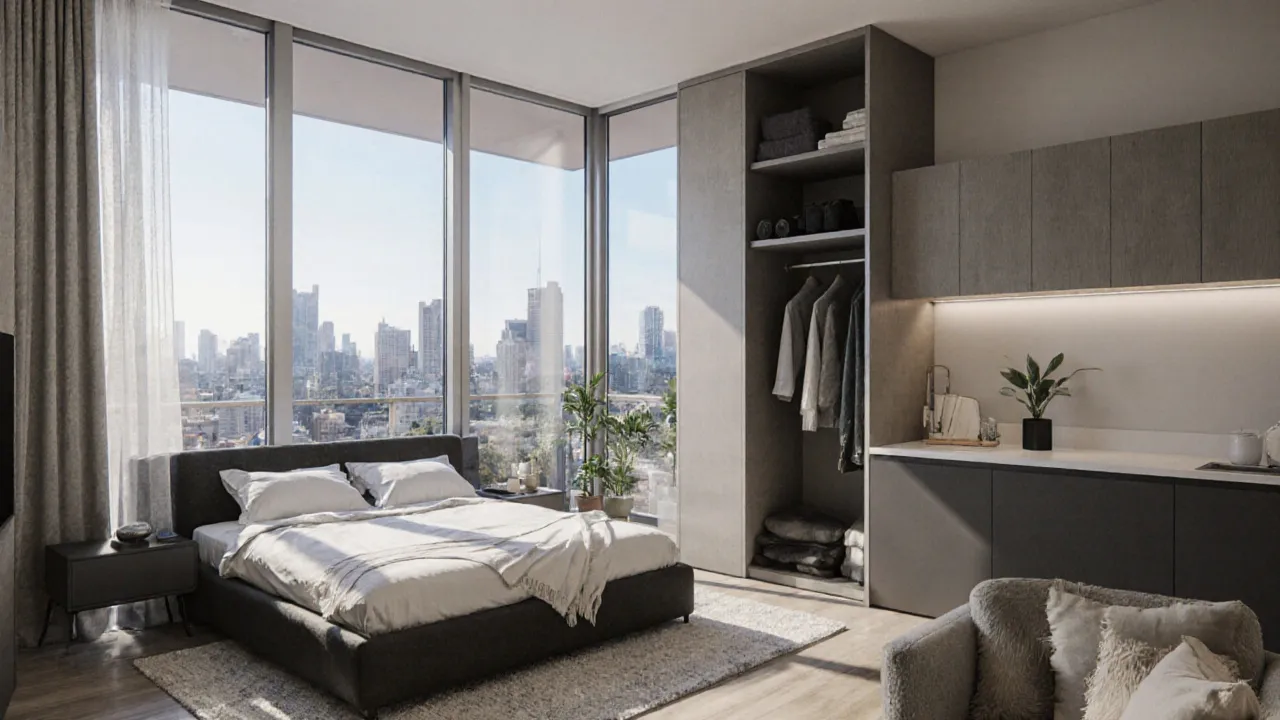
Oronsuuts: Understanding Apartment Housing and Urban Life
Oronsuuts is the Mongolian term for residential housing, most commonly used to describe apartments and organized urban housing units. While the word itself simply refers to a place where people live, its modern meaning has grown far beyond basic shelter.
In today’s Mongolia—especially in the capital city of Ulaanbaatar—it is closely associated with apartment living, legally registered properties, and shared residential infrastructure designed for dense city life.
It is not just a building type. It represents a complete housing system shaped by Mongolia’s harsh winters, rapid urban growth, and the need for reliable services such as heating, plumbing, and building management.
As Mongolia continues to urbanize, it plays a central role in housing decisions, real estate markets, and the broader development of modern city life. Understanding it means understanding how Mongolians adapt to climate pressure, infrastructure demands, and urban expansion.
What Does Oronsuuts Mean? (Definition and Everyday Use)
In literal terms, it translates to dwelling, residence, or residential unit. However, in everyday Mongolian usage, the word carries a more specific meaning depending on context.
In urban settings, Oronsuuts most often refers to:
- Apartment units in multi-story buildings
- Housing with indoor plumbing and centralized heating
- Legally registered residential properties
- Managed buildings with shared services
Because Mongolia’s climate makes winter survival a practical concern, it has become strongly linked with warmth, stability, and predictability.
The term is also widely used as a synonym for structured, formal housing, distinguishing apartment-based living from informal or semi-developed housing zones.
Informal Housing vs Structured Oronsuuts Living
One of the most important distinctions is between:
- Informal housing, often found in Ger districts with limited infrastructure
- Structured Oronsuuts housing, designed with utilities, legal documentation, and long-term residential planning
For many families, moving into an apartment represents a shift toward modern urban stability.
The Origin and Evolution of Oronsuuts Housing
Its rise is directly connected to Mongolia’s changing urban landscape.
Urban Expansion and Migration Trends
Over the past two decades, Mongolia has experienced steady rural-to-urban migration. People move toward Ulaanbaatar for:
- Employment opportunities
- Better healthcare access
- Education and university life
- Urban services unavailable in rural areas
This migration created intense housing demand, pushing apartment development to the forefront.
Soviet Influence and Early Apartment Construction
During the Soviet era, Mongolia adopted many centralized planning models, including apartment-based housing construction. Early Oronsuuts buildings often featured:
- Standardized layouts
- Shared stairwells
- Central heating infrastructure
- Dense residential blocks
These apartments formed the foundation of modern urban housing networks.
Transition to Modern Residential Complexes
Over time, Oronsuuts evolved from basic apartment blocks into modern complexes supported by:
- Property management companies
- Commercial real estate investment
- Online housing platforms
- New construction technologies
Today, it is central to Ulaanbaatar’s housing identity and continues to define the city’s residential structure.
Oronsuuts and Mongolia’s Urbanization Crisis
Mongolia’s rapid urbanization has created both opportunity and strain. It sits at the center of this transformation.
Rising Housing Demand
Rural-to-urban migration continues to increase demand faster than housing supply. Apartments have become the most practical solution for accommodating growth.
Land Constraints in Ulaanbaatar
Ulaanbaatar faces limited land availability, especially near the city center. Detached homes are expensive and inefficient for dense populations, making apartment clusters the dominant housing model.
Climate Challenges and Infrastructure Needs
Mongolia’s winters are long and extreme. Housing must provide:
- Reliable heating
- Insulation performance
- Water and plumbing stability
- Safe, accessible residential environments
Oronsuuts apartments are designed to meet these infrastructure demands, making them essential for urban survival rather than lifestyle preference.
Apartments as the Default Urban Solution
In dense city living, apartments dominate not because they are ideal, but because they are necessary. It represents Mongolia’s adaptation to modern urban density.
Key Features of Oronsuuts Residential Infrastructure
It housing is defined by shared infrastructure and collective residential systems.
Key characteristics include:
High-Density Apartment Clusters
Most Oronsuuts buildings are multi-story developments designed to house large populations efficiently within limited urban land.
Central Heating Systems for Harsh Winters
Heating reliability is one of the most critical features. Centralized heating systems define comfort, health, and livability during peak winter months.
Shared Stairwells, Elevators, and Communal Spaces
Apartment living requires shared systems, including:
- Stairwell maintenance
- Elevator operation
- Hallway cleaning
- Security systems
These shared spaces shape daily life as much as private interiors.
Indoor Plumbing and Water Reliability
Unlike informal housing zones, Oronsuuts apartments typically provide stable plumbing, water pressure, and sanitation systems.
Legally Documented Ownership and Registration
It properties are formally registered, with legal documentation that supports ownership verification, resale, and government compliance.
Building-Wide Maintenance Responsibilities
Maintenance is collective, meaning building quality depends heavily on management systems and shared upkeep responsibilities.
The Role of Government and Regulation in Oronsuuts
It housing is deeply tied to regulation and national development policy.
Housing Standards and Oversight
Mongolia’s Ministry of Construction and Urban Development oversees:
- Construction approvals
- Residential standards
- Urban development frameworks
- Housing safety compliance
Ownership Verification and Legal Systems
Government systems allow residents to:
- Register apartment ownership
- Confirm legal housing documentation
- Access housing-related services and programs
Legal Importance in Property Documentation
Oronsuuts status affects:
- Property resale legitimacy
- Mortgage eligibility
- Housing program participation
- Urban planning records
Thus, it is not only cultural—it is legally structural.
Oronsuuts in the Real Estate Market
It apartments function as major long-term assets in Mongolia’s real estate economy.
Apartments as Investments
Many buyers view Oronsuuts units as:
- Stable urban property holdings
- Rental income opportunities
- Long-term resale assets
Buying vs Renting in Oronsuuts Buildings
Renting is common in districts near:
- Universities
- Business centers
- Transit corridors
Buying is often tied to family stability, long-term planning, and property value growth.
Resale Value and Demand Pressure
Apartment resale markets remain active due to constant housing demand, but value depends on more than design.
Major pricing factors include:
- Location and transit access
- Heating performance in winter
- Management quality after construction
- Neighborhood reputation and services
New Developments vs Older Blocks
New apartments offer modern finishes, but older buildings often compete strongly due to:
- Thicker walls
- Established infrastructure
- Proven heating stability
- Mature neighborhood environments
In Ulaanbaatar, newer does not automatically mean better.
Online Listings and the Digital Housing Ecosystem
Digital platforms have transformed how people search for Oronsuuts housing.
Role of Platforms like Oronsuuts.mn
Real estate sites organize apartment listings by:
- Room count
- District location
- Building type and age
- Furnishing status
These platforms act as entry points into the housing market.
How Digital Listings Shape Expectations
Online presentation influences buyer behavior, but it often hides practical realities such as:
- Noise transfer between units
- Elevator reliability
- Heating performance
- Maintenance culture
Why Inspections Remain Essential
Experienced buyers treat online listings as filters, not final answers. Physical inspection and resident feedback remain essential in evaluating real Oronsuuts livability.
Social Media and Community-Based Housing Searches
In Mongolia’s housing ecosystem, formal real estate platforms are only part of the story. A large portion of Oronsuuts’ activity happens through community-based housing searches, especially on social media.
Facebook Groups and Informal Listing Communities
Facebook groups have become some of the most active housing marketplaces in Ulaanbaatar. Thousands of listings circulate daily through informal communities where owners, agents, and renters post directly.
These groups function as fast-moving alternatives to traditional property websites, particularly for:
- Students searching near universities
- Families needing quick relocation
- Landlords filling vacancies immediately
- Buyers looking for off-market opportunities
Direct Communication Between Renters, Buyers, and Landlords
One major reason these communities remain popular is the ability to communicate directly. Instead of navigating agencies or slow listing portals, users can:
- Message landlords instantly
- Ask for updated photos or videos
- Negotiate terms without intermediaries
- Arrange viewings quickly
This direct interaction makes Oronsuuts housing searches feel more immediate and personal.
Transparency Benefits and Faster Updates
Social media listings often provide advantages that formal platforms do not:
- Real photos instead of staged marketing images
- Video walkthroughs showing actual conditions
- Faster updates when units become available
- Community feedback through comments
For renters especially, this transparency can be more useful than polished real estate advertising.
Risks: Scams, Unverified Claims, and Rushed Decisions
However, informal housing markets also carry serious risks. Common problems include:
- Scam listings with fake deposits
- Misleading descriptions and outdated photos
- Unverified ownership or legal documentation
- Pressure to commit quickly without inspection
Because housing demand is high, many people rush decisions. In Oronsuuts living, urgency often leads to regret. Social media works best as a tool, not as a replacement for verification.
Oronsuuts as a Living System, Not Just Property
It cannot be understood as individual apartments alone. It is a collective residential system where shared infrastructure determines daily comfort.
Shared Infrastructure Shapes Daily Life
In apartment-based housing, residents depend on systems beyond their own walls:
- Heating networks
- Plumbing systems
- Elevator access
- Hallway upkeep
- Security arrangements
A unit may look perfect inside, but the building’s shared systems define livability.
Heating Reliability as the Defining Winter Factor
In Mongolia, heating is not a luxury. It is a survival infrastructure.
During peak winter months, the difference between a functional and failing heating system becomes the most important feature of Oronsuuts housing. Residents judge buildings not by design trends, but by whether they stay warm in January.
Elevator Downtime, Stairwell Upkeep, and Noise Transfer
Everyday apartment living also includes practical realities:
- Elevator breakdowns in high-rise buildings
- Poor stairwell maintenance is affecting cleanliness and safety
- Noise transfer through thin walls
- Shared-space conflicts over parking or repairs
These issues rarely appear in listings, yet they shape the lived experience.
Importance of Building Management Companies
Management quality is often the silent divider between comfort and frustration. Strong property management ensures:
- Regular maintenance
- Responsive repairs
- Heating coordination
- Clean shared spaces
- Security consistency
Weak management turns small problems into constant stress.
Ultimately, Oronsuuts represents collective urban living, not private isolation.
How Residents Evaluate Oronsuuts Apartments in Practice
Experienced residents approach it housing differently from first-time buyers. They know that appearance means little without performance.
Heating Effectiveness During Extreme Cold
The first question is always: Does this building stay warm in winter?
Heating reliability determines comfort, health, and long-term satisfaction more than any interior feature.
Noise Insulation and Shared-Wall Realities
Apartment living involves proximity. Thin walls and poor sound insulation can create long-term stress, especially for families or remote workers.
Noise transfer is one of the most underestimated problems in Oronsuuts buildings.
Water Pressure Consistency
Water reliability matters daily, especially in dense buildings. Residents often test:
- Morning water pressure
- Plumbing stability
- Seasonal service interruptions
Maintenance Costs and Monthly Building Fees
Oronsuuts living includes shared costs, such as:
- Monthly maintenance payments
- Elevator repair contributions
- Heating service fees
- Cleaning and security charges
Buyers must evaluate not just the purchase price, but long-term costs.
Neighborhood Safety and Accessibility
Location remains essential. Residents prioritize:
- Transit routes
- Schools and clinics
- Winter road maintenance
- Walkability and safety
Talking to Neighbors as the Best Evaluation Method
The most reliable inspection is often simple: ask the people already living there.
Neighbors reveal truths that listings never will.
Older vs Newer Oronsuuts Buildings
One of the most debated questions in Ulaanbaatar housing is whether newer apartments are truly better.
Strengths of Older Soviet-Era Apartments
Many older Oronsuuts buildings remain competitive because they offer:
- Thick walls and stronger insulation
- Better spacing between buildings
- Mature courtyards and trees
- Proven infrastructure stability
Older does not automatically mean outdated. In many cases, it means reliable.
Advantages of Newer Residential Complexes
New developments often provide:
- Modern layouts
- Updated finishes
- Underground parking
- Added amenities such as gyms or security systems
For buyers seeking comfort upgrades, these features matter.
Why “New” Does Not Always Mean Better
In Ulaanbaatar, buyers increasingly realize that long-term livability matters more than novelty. The best choice is not the newest—it is the most functional.
Challenges and Limitations of Oronsuuts Housing
Despite its importance, its housing faces serious challenges.
Rising Affordability Pressure
Apartment prices continue to rise faster than many incomes, increasing inequality in access to stable housing.
Poor Management Reducing Livability
Even expensive units lose value when building management fails. Maintenance quality remains uneven across the city.
Misleading Marketing and Inflated Pricing
Digital platforms and glossy advertising often exaggerate value while ignoring infrastructure realities.
Shared-Space Conflicts
Apartment living creates unavoidable friction:
- Noise disputes
- Parking competition
- Maintenance disagreements
- Shared-cost frustrations
Unequal Infrastructure Across Districts
Not all neighborhoods receive equal investment. Infrastructure quality varies sharply depending on location.
The Future of Oronsuuts in Mongolia
It will remain central to Mongolia’s urban future.
Smarter Buyers Focusing on Livability
Buyers are shifting away from surface trends and toward fundamentals:
- Heating
- Infrastructure
- Neighborhood stability
- Long-term maintenance
Government Role in Improving Standards
Stronger regulation, transparency, and infrastructure planning will be essential as Oronsuuts expands.
Oronsuuts as Mongolia’s Long-Term Housing Backbone
Apartments are no longer temporary solutions. They are the permanent foundation of urban Mongolia.
Conclusion:
It reflects Mongolia’s adaptation to dense city life and extreme winter climate. It combines infrastructure, policy, real estate markets, and community living into one evolving urban system.
Understanding Oronsuuts means understanding Mongolia’s urban future. Better housing decisions come from focusing on reliability, building management, and neighborhood reality—not marketing images or design trends.
As Ulaanbaatar grows, it will remain the backbone of city housing, shaping stability, identity, and everyday life for millions.