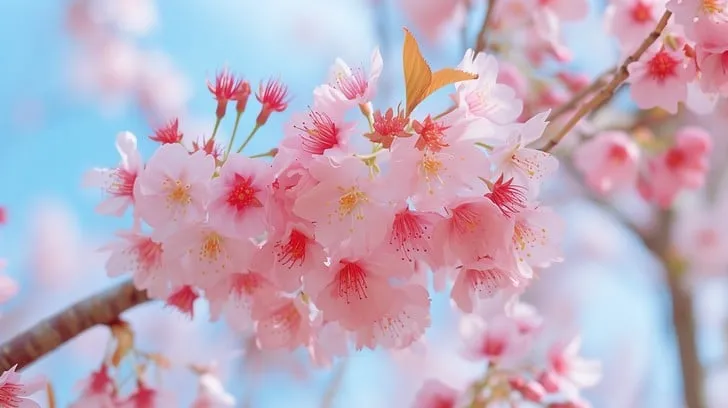
Cherrysakura: Japan’s Iconic Blossom and Its Global Influence
Cherrysakura, commonly known as cherry blossom or sakura, is one of the most iconic symbols of Japan. Renown for its delicate petals, fleeting beauty, and cultural significance, it is celebrate not only in Japan but across the world. Its arrival each spring marks a period of renewal, reflection, and festivity, drawing both locals and tourists to parks, riversides, and temples to witness the stunning spectacle of flowering trees.
Beyond its aesthetic appeal, it holds a prominent place in art, literature, festivals, and modern culture. From traditional ukiyo-e prints to contemporary anime, from seasonal hanami gatherings to fashion and culinary trends, the cherry blossom has become a universal symbol of beauty, impermanence, and cultural identity.
Botanical Overview of Cherrysakura
It refers to the blossoms of trees in the Prunus subgenus Cerasus, commonly called Japanese cherry or ornamental cherry trees. These trees are cultivate primarily for their ornamental flowers rather than their fruit, creating vibrant displays during the spring season.
Common Species
Several species of cherry trees form the foundation of cherrysakura cultivation:
- Prunus serrulata – Often referred to as the Japanese cherry, it is the most widely planted ornamental tree.
- Prunus speciosa (Oshima cherry) – Endemic to Japan, known for its fragrant, large flowers and fast growth.
- Prunus jamasakura (Yamazakura) – A wild species with large, pale-pink flowers often found in forests and hillsides.
Characteristics
Cherrysakura is celebrated for its variety in color and form:
- Petals can be pink, white, yellow, or deep red, depending on species and cultivar.
- Many cultivars, particularly Oshima cherry derivatives, exude a vanilla-like fragrance attributed to coumarin.
- Bloom size varies, with double-flowered varieties producing dramatic, full blooms with up to 50 petals.
Distribution
Although cherrysakura is native to Japan, its cultivation has spread widely:
- East Asia: South Korea, China, Taiwan
- Europe: Parks and botanical gardens across the continent
- North America: Famous in Washington D.C., Seattle, and Vancouver
- Southern Hemisphere: Australia and New Zealand host late-spring festivals
Historical Background of Cherrysakura
It has a rich history deeply intertwined with Japanese culture.
- Nara Period (710–794): Early admiration focused on plum blossoms (ume), which were prized for their fragrance and simplicity.
- Heian Period (794–1185): The shift to cherry blossoms marked the beginning of hanami, or flower-viewing celebrations. Elite courts began organizing gatherings beneath blooming trees, combining poetry, music, and tea ceremonies.
- Edo Period: Urban development led to widespread cultivation in cities. Cultivars like Kanzan became popular for their lush, double-flowered blooms.
- Meiji Period and Modern Japan: The introduction of grafting techniques allowed for mass propagation of superior cultivars like the Yoshino cherry, which became central to hanami culture.
- Global Spread: In 1912, Japan gifted 3,000 cherry trees to Washington, D.C., sparking the beginning of the National Cherry Blossom Festival. Since then, cherrysakura has become an emblem of cultural diplomacy worldwide.
Classification and Cultivars
Scientific Classification
- Genus: Prunus
- Subgenus: Cerasus (true cherries)
- Distinct from bush cherries, bird cherries, and cherry laurels, which belong to other subgroups in the Prunus genus.
Major Species and Cultivars
- Oshima Cherry (Prunus speciosa): Basis for the Sato-zakura Group, prized for large, fragrant flowers.
- Yamazakura (Prunus jamasakura): Wild species known for size and natural beauty.
- Edo Higan / Weeping Cherry (Prunus itosakura): Long-lived trees often associated with sacred temples and ancient landmarks.
- Popular Cultivars: Yoshino cherry (dominant in urban planting), Kanzan (double-flowered variety), Sidare-zakura (weeping cherry).
Propagation Methods
Cherrysakura trees are propagated primarily through:
- Grafting: Produces genetically identical trees with uniform blooms.
- Cutting: Ensures preservation of desirable traits.
- Hybridization: Creates new cultivars with unique flower forms and colors.
Cultural Significance of Cherrysakura
It embodies themes of beauty, purity, renewal, and impermanence, reflecting the Japanese aesthetic concept of mono no aware, the awareness of life’s fleeting nature. These blossoms are deeply rooted in Shinto traditions, symbolizing seasonal cycles, spiritual reflection, and harmony with nature.
Hanami – Flower Viewing
- History: Began in imperial courts and spread to samurai society, eventually reaching the general populace during the Edo period.
- Traditional Customs: Families and friends gather under trees for picnics, feasts, and social gatherings, often accompanied by music, poetry, and sake.
- Modern Festivals: Cities across Japan organize public events, lighting displays, and guided park tours, making hanami accessible to both locals and tourists.
Artistic and Literary Representation of Cherrysakura
- Classical Arts: Featured in waka and haiku poetry, ukiyo-e woodblock prints (e.g., Hiroshige), and paintings.
- Modern Media: Sakura motifs appear in anime, manga, films, and video games, symbolizing youth, beauty, and transience.
Symbolism Beyond Japan
Cherrysakura has transcended its Japanese origins to hold global significance.
- Nationalism and Militarism: During the early 20th century and WWII, sakura was used to symbolize sacrifice and ephemerality, motivating soldiers and inspiring wartime propaganda.
- Global Symbolism: Today, cherrysakura represents cultural diplomacy, international friendship, and seasonal celebration.
- Branding and Popular Culture: The blossom appears in logos, sports uniforms, and media. Examples include the Brave Blossoms rugby team and the Tokyo 2020 Paralympics mascot, Someity.
Blooming Season and Environmental Factors
Its blooms are among the most eagerly anticipated events in Japan and worldwide, signaling the arrival of spring. In the Northern Hemisphere, the typical bloom period occurs between March and April, though this can vary based on location, altitude, and climate. In the Southern Hemisphere, cherry blossoms bloom later in the year, usually from late August to mid-October, with festivals in Sydney and Cowra, Australia, attracting thousands of visitors.
Factors Affecting Bloom of Cherrysakura
Several factors influence the timing and quality of cherry blossom blooms:
- Genetics and Cultivar Type: Different species and cultivars bloom at varying times. For instance, Yoshino cherry trees bloom earlier than double-flowered varieties like Kanzan.
- Environmental Conditions: Temperature, sunlight, rainfall, and soil type directly affect bud formation and flowering. Late frosts or unusual weather can shorten bloom duration.
- Urbanization: Heat islands in cities can cause earlier blooming compared to rural areas, creating variations even among the same cultivar planted nearby.
Climate Change Impacts of Cherrysakura
Global warming has caused noticeable shifts in cherry blossom phenology:
- Earlier Blooming: Data from Kyoto shows that the full bloom date for Prunus jamasakura has advanced by nearly two weeks over the last century.
- Shorter Bloom Duration: Warmer temperatures accelerate flower opening and senescence, reducing the visual spectacle.
- Threats to Festivals: Traditional hanami and public celebrations may be disrupted if peak bloom occurs too early, affecting both tourism and local culture.
Sakura Forecasting
The Japan Meteorological Agency (JMA) tracks the “sakura zensen,” or cherry blossom front, to forecast bloom timing as it moves northward across Japan. Private companies also offer detailed forecasts to help tourists plan visits, demonstrating the cultural and economic importance of timely cherry blossom predictions.
Famous Cherry Blossom Sites
Cherrysakura can be enjoyed in many locations, ranging from urban parks to sacred ancient trees.
Japan
- Kyoto: Philosopher’s Path and Kiyomizu-dera Temple feature iconic cherry-lined avenues.
- Tokyo: Ueno Park, Shinjuku Gyoen, and Chidorigafuchi Moat are urban hanami hotspots.
- Hokkaido: Sapporo’s Maruyama Park provides a cooler climate experience with late-blooming varieties.
- Mount Yoshino: Considered a sacred site for cherry viewing, boasting thousands of trees over terraced hills.
- Arakawa River and Tama Forest Science Garden: Locations preserved for cultivar conservation and public enjoyment.
International Cherrysakura
- Washington, D.C., U.S.: The National Cherry Blossom Festival commemorates Japan’s 1912 gift of 3,000 cherry trees and draws millions annually.
- Sydney and Cowra, Australia: Southern Hemisphere festivals showcase sakura blooms in botanical gardens, highlighting global appreciation.
Historical and Sacred Trees
Japan also hosts ancient cherry trees with deep cultural and religious significance:
- Jindai-zakura: ~2,000 years old, sacred to Shinto shrines.
- Usuzumi-zakura: ~1,500 years old, noted for pale, ethereal blooms.
- Daigo-zakura: ~1,000 years old, preserved in Kyoto, symbolizing endurance and heritage.
Cherrysakura in Modern Life
It has permeated contemporary culture beyond traditional celebrations.
Fashion and Design
- Sakura motifs appear on kimonos, modern clothing, scarves, bags, and even home décor, emphasizing elegance and seasonal awareness.
Culinary Uses
- Cherry blossoms and leaves are incorporated into sweets, teas, beverages, and sakura-flavored mochi, highlighting seasonal cuisine and cultural integration.
Media and Entertainment
- Cherrysakura appears in anime, manga, films, and video games, often symbolizing youth, love, and ephemeral beauty.
- Seasonal events in games and animated series feature cherry blossom festivals, reflecting cultural significance.
Tattoos and Body Art
- In irezumi, the traditional art of Japanese tattooing, it is frequently combined with koi, dragons, or tigers, symbolizing transience, beauty, and perseverance.
Challenges and Conservation
Despite its widespread cultivation, cherrysakura faces several challenges:
Threats
- Climate Change: Shifts in temperature can disrupt flowering cycles, threaten cultivar survival, and shorten bloom periods.
- Urbanization: Expansion of cities reduces green spaces, affecting traditional planting areas and biodiversity.
Conservation Efforts
- Preservation of ancient trees like Jindai-zakura and Daigo-zakura is crucial.
- Botanical gardens and research centers maintain cultivar libraries and promote sustainable propagation through grafting and hybridization.
- Forecasting and climate research aim to predict bloom timing, helping communities plan for hanami and maintain cultural traditions.
Fun Facts
- Short Bloom Period: Most blooms last only 1–2 weeks, intensifying their symbolic impermanence.
- Double-Flowered Varieties: Some cultivars, like Kanzan, produce 20–50 petals per flower, creating striking floral displays.
- Cultural Integration Beyond Japan: Cherrysakura festivals are celebrated worldwide, from Washington, D.C. to Sydney, reflecting their global appeal.
- Fragrance and Color: The gentle vanilla-like aroma varies by species, while colors range from pure white to deep pink and even red.
Conclusion
Cherrysakura is more than a seasonal spectacle—it is a botanical marvel, cultural icon, and philosophical symbol. Its delicate blooms inspire awe, reminding us of the fleeting nature of life and beauty through the concept of mono no aware. From ancient temples in Japan to international festivals, from traditional art to modern media, it continues to leave an indelible mark on global culture. As we celebrate these blossoms each spring, we honor both nature’s fleeting beauty and the enduring cultural significance of Japan’s most cherished flower.