Why Fiberboard Is an Important Part of Many Commercial Roofing Systems
When people think about commercial roofing, they usually picture the roofing membrane, such as EPDM, TPO, or PVC. However, one of the most important components of a durable flat roof is the cover board, often referred to as fiberboard. Although it is hidden beneath the finished roofing membrane, fiberboard plays a major role in protecting the roofing system and extending its lifespan.
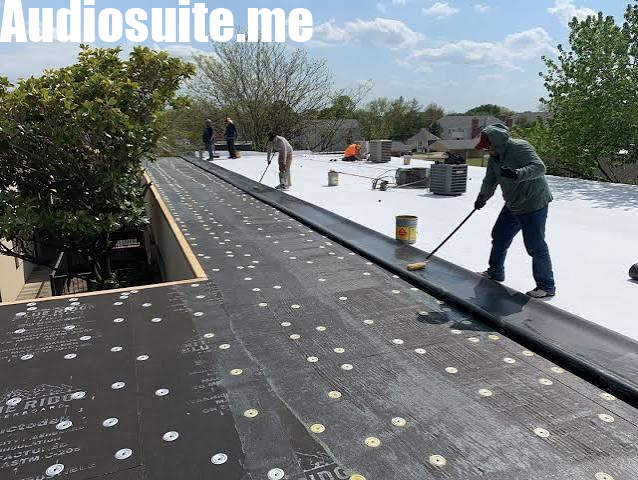
Fiberboard is typically installed over the roof insulation and beneath the roofing membrane. Its primary purpose is to create a smooth, solid surface for the roofing membrane while providing additional protection against foot traffic, hail, and everyday wear. Commercial buildings often have HVAC units, vents, and other rooftop equipment that require routine maintenance, making durability an important consideration.
One of the biggest benefits of fiberboard is that it helps distribute weight across the roofing system. Maintenance personnel walking across the roof or servicing rooftop equipment place pressure on the membrane. Fiberboard helps reduce localized stress and provides additional support that can help protect the insulation underneath.
Fiberboard also helps improve the overall performance of the roofing system by creating a consistent surface for membrane installation. A smooth substrate allows roofing membranes to adhere properly and can contribute to better long-term performance when installed according to manufacturer specifications.
In addition to durability, fiberboard can provide another layer of protection against impacts from hail, dropped tools, and other job-site hazards. While no roofing system is indestructible, using a quality cover board helps strengthen the assembly and may reduce the likelihood of damage over time.
During a commercial roof replacement, contractors inspect the existing roof deck, insulation, and substrate before installing new materials. If fiberboard is included in the roof design, it is installed before the roofing membrane so every layer works together as one complete roofing system.
Commercial roofs in Northeast Ohio face challenging weather conditions throughout the year. Heavy snow, strong winds, hail, intense sunlight, and freeze-thaw cycles all place stress on flat roofing systems. Selecting quality materials—including insulation, cover boards, flashing, and roofing membranes—helps maximize the roof’s lifespan while protecting the building below.
Every commercial building has different needs, which is why roofing systems should be designed based on the building’s use, traffic, drainage, and structural requirements. An experienced commercial roofing contractor can recommend whether fiberboard or another type of cover board is appropriate for the project.
At S&K Commercial Roofing, we understand that a long-lasting commercial roof starts with the layers you can’t see. From the roof deck and insulation to fiberboard, flashing, and the finished membrane, every component is installed with attention to detail to help deliver a durable, high-performing roofing system built to protect your investment for years to come.