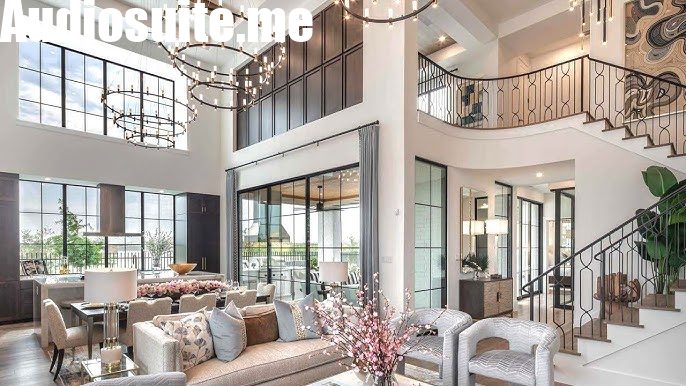
Modern Luxury Home: The Ultimate Guide to Negotiating a Luxury Home Purchase in Silicon Valley
The allure of a modern luxury home has never been stronger. With cutting-edge architecture, smart home technology, and bespoke interiors becoming the gold standard, today’s high-end real estate market is evolving at a breathtaking pace. Nowhere is this more evident than in Silicon Valley, where tech wealth, innovation, and lifestyle converge to create one of the most competitive luxury housing markets on the planet.
Whether you are a first-time luxury buyer or a seasoned investor, understanding how to negotiate a luxury home purchase in Silicon Valley can mean the difference between landing your dream property and overpaying by millions. This comprehensive guide walks you through everything you need to know.
What Defines a Modern Luxury Home in 2026?
The definition of luxury has shifted dramatically over the past decade. A modern luxury home is no longer just about square footage or a prestigious zip code. Today, discerning buyers expect a seamless blend of form, function, and forward-thinking design. Here are the hallmarks of a truly modern luxury property:
- Smart Home Integration – From AI-driven climate control and automated lighting to voice-activated security systems, technology is woven into every corner of a modern luxury home. Buyers in 2026 expect homes that anticipate their needs.
- Sustainable Design – Green building materials, solar panel arrays, geothermal heating, and energy-efficient insulation are no longer optional. Luxury buyers increasingly prioritize eco-conscious living without sacrificing comfort.
- Indoor-Outdoor Living – Disappearing glass walls, infinity pools, outdoor kitchens, and rooftop terraces blur the line between interior and exterior spaces. In Silicon Valley’s mild climate, this is especially desirable.
- Wellness Amenities – Home gyms, spa bathrooms, meditation rooms, cold plunge pools, and even private saunas have become standard features in high-end properties.
- Minimalist Architectural Aesthetics – Clean lines, open floor plans, floor-to-ceiling windows, and natural material palettes define the modern luxury look. Think warm minimalism with an emphasis on craftsmanship and quality.
Why Silicon Valley Remains a Luxury Real Estate Hotspot
Silicon Valley consistently ranks among the most expensive real estate markets in the world. Cities like Palo Alto, Los Altos, Atherton, Cupertino, and Saratoga attract buyers who are executives, entrepreneurs, and venture capitalists with substantial purchasing power.
Several factors fuel the demand for modern luxury homes in this region:
- Tech Industry Wealth – The concentration of billion-dollar companies and high-earning professionals keeps demand extremely high.
- Limited Inventory – Strict zoning laws and limited developable land create scarcity, which drives prices upward.
- World-Class Schools and Amenities – Top-ranked school districts and proximity to Stanford University make the area especially attractive to families.
- Cultural Prestige – Owning a luxury home in Silicon Valley carries significant social and professional cachet.
As of early 2026, median luxury home prices in premier Silicon Valley neighborhoods range from $4 million to well over $30 million, depending on the location and features.
How to Negotiate a Luxury Home Purchase in Silicon Valley
Negotiating in the luxury segment is vastly different from negotiating a standard home purchase. The stakes are higher, the players are more sophisticated, and the strategies must be more refined. Here is a step-by-step approach to mastering the process.
1. Hire a Specialized Luxury Real Estate Agent
Not all agents are equipped to handle high-end transactions. Look for an agent with a proven track record in Silicon Valley luxury properties. They will have access to off-market listings, understand local pricing nuances, and possess the negotiation skills necessary to protect your interests.
2. Get Pre-Approved, Not Just Pre-Qualified
In a competitive market, sellers and their agents want to see that you are a serious, financially capable buyer. A pre-approval letter from a reputable lender or proof of liquid funds signals credibility and strengthens your negotiating position.
3. Conduct Thorough Market Research
Knowledge is power. Study comparable sales in the neighborhood, understand how long the property has been on the market, and identify any price reductions. A home that has sat on the market for 60 or 90 days presents a different negotiation opportunity than one that was just listed.
4. Understand the Seller’s Motivation
Is the seller relocating for work? Going through a divorce? Downsizing after retirement? Understanding why someone is selling can give you valuable leverage. A motivated seller may accept a lower offer or agree to favorable terms such as a faster closing timeline or fewer contingencies.
5. Don’t Lead with Your Highest Offer
Even in a competitive market, you should leave room to negotiate. Start with a strong but reasonable offer based on comparable data. If there are multiple offers, your agent can advise on escalation strategies without overcommitting.
6. Negotiate Beyond Price
Price is only one component of a luxury home negotiation. Consider negotiating on:
- Closing costs – Ask the seller to cover a portion.
- Furnishings and fixtures – High-end furniture, art, or custom installations can be included.
- Repairs and upgrades – Request that specific issues identified during inspection be addressed before closing.
- Closing timeline – Flexibility on timing can be a powerful bargaining chip.
7. Use Inspection Results Strategically
Even luxury homes have flaws. A thorough inspection may reveal foundation issues, outdated electrical systems, or roofing concerns. Use these findings to renegotiate the price or request seller-funded repairs. In Silicon Valley, where many properties are older homes that have been renovated, this step is particularly important.
8. Be Prepared to Walk Away
The most powerful negotiating tool you have is the willingness to walk away. If the deal does not meet your financial expectations or the seller is unwilling to negotiate in good faith, do not let emotional attachment override sound judgment. In a market as dynamic as Silicon Valley, another opportunity will come along.
Common Mistakes to Avoid When Buying a Luxury Home
- Skipping due diligence because you fell in love with the property’s aesthetics
- Ignoring future resale value in favor of personal taste
- Underestimating total costs such as property taxes, HOA fees, maintenance, and insurance
- Failing to verify permits for renovations or additions made by previous owners
- Rushing the process due to fear of missing out
Conclusion
Purchasing a modern luxury home is one of the most significant investments you will ever make, and navigating a market as competitive as Silicon Valley demands preparation, expertise, and strategic thinking. By understanding what defines luxury in 2026, working with the right professionals, and mastering the art of negotiation, you position yourself to secure not just a house but a lifestyle.
Once you have secured your dream property, the journey does not end at closing. Transforming your new home into a space that reflects your personal style and maximizes comfort is just as important. For expert guidance on home improvement ideas and home décor inspiration, visit Home Comfort Experts. Whether you are looking to redesign your interiors, upgrade your living spaces, or explore the latest trends in home comfort, homecomfortexperts.co.uk is a trusted resource packed with practical tips, creative ideas, and professional advice to help you make the most of every room in your home.